In a quiet room inside a Brisbane prison, Michael Adom discusses scriptures in Matthew, his voice gentle, unhurried. He nods as the man in green sitting across from him shares notes he’s prepared for a Bible study he will soon be teaching to fellow inmates.
Both men are a world away from the lives they once lived, testimonies of how God gives beauty for ashes.
The man in green – whose offences have seen him put in prison for life – now shepherding fellow prisoners as a disciple of Christ. Michael – born a Muslim in a country he was forced to flee as a teenager – now spreading the good news of Jesus as a chaplain inside Brisbane’s men’s prisons.
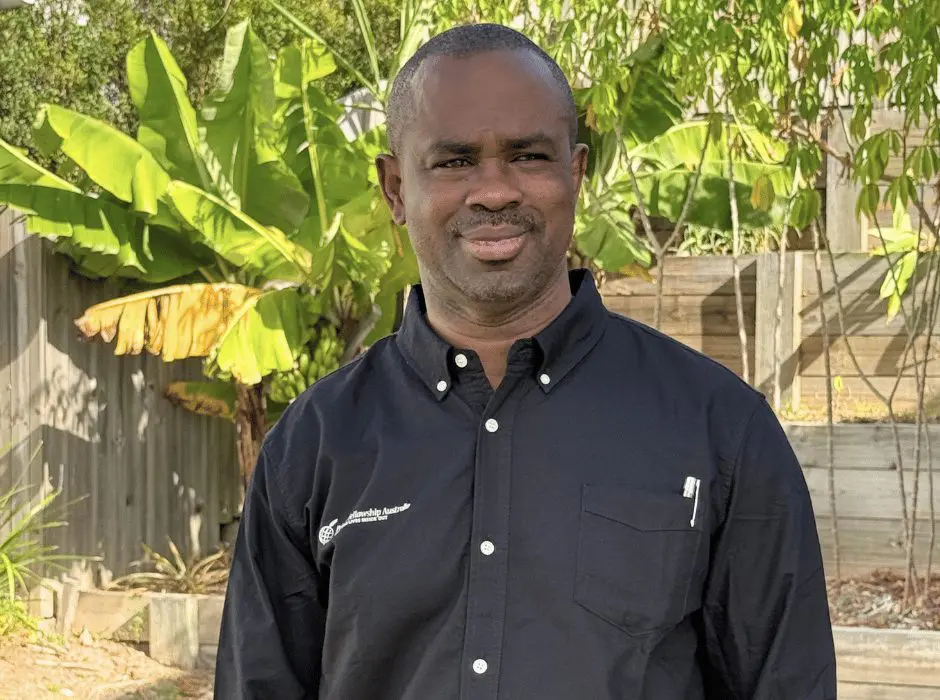
Born in Liberia, West Africa, Prison Fellowship volunteer Michael Adom was raised Muslim. “My father was Muslim, but my mother was Lutheran,” he says. “It was not a very good combination! But I grew up in a lovely home. My dad never pressured my mother to be Muslim – only my brother and I had to do the prayers.”
“Still,” Michael shares, “There was always something in me that every time I walked past a place playing a Christian song, or a church, or a crusade on the street, I would always stop and listen. But it wasn’t until I was in Australia that I gave myself to it.”
Michael’s journey to Australia is one of unimaginable tragedy, a story that began when he was just 12 years old. A tribal war began unfolding in Liberia. “It affected my whole country,” he shares. “My only brother and my mother were killed by rebels at Christmas time. They died about four years before my dad. One day when I was about 16, I was in the bathroom in our village when I started to hear a lot of noise. The bathroom was separate from our house where my dad was. I could hear arguing, and knowing what was happening, I did not want to come out.”
“Then there were gunshots, and I could see a fire in the house. I waited until the noise died out, then I came out and saw my dad. That was when I began to run.”
As he ran, Michael met up with another boy fleeing the rebels who had killed their families. “We made it to an orange farm, so for three days, we lived off oranges. But then the owner of the farm found us. He only spoke French, because we had actually crossed the border to the Ivory Coast. He wanted to take us to the police for stealing. Thankfully his wife spoke some English, and in Liberia, we speak pigeon English, so we could explain. They agreed to send us to a refugee camp.”
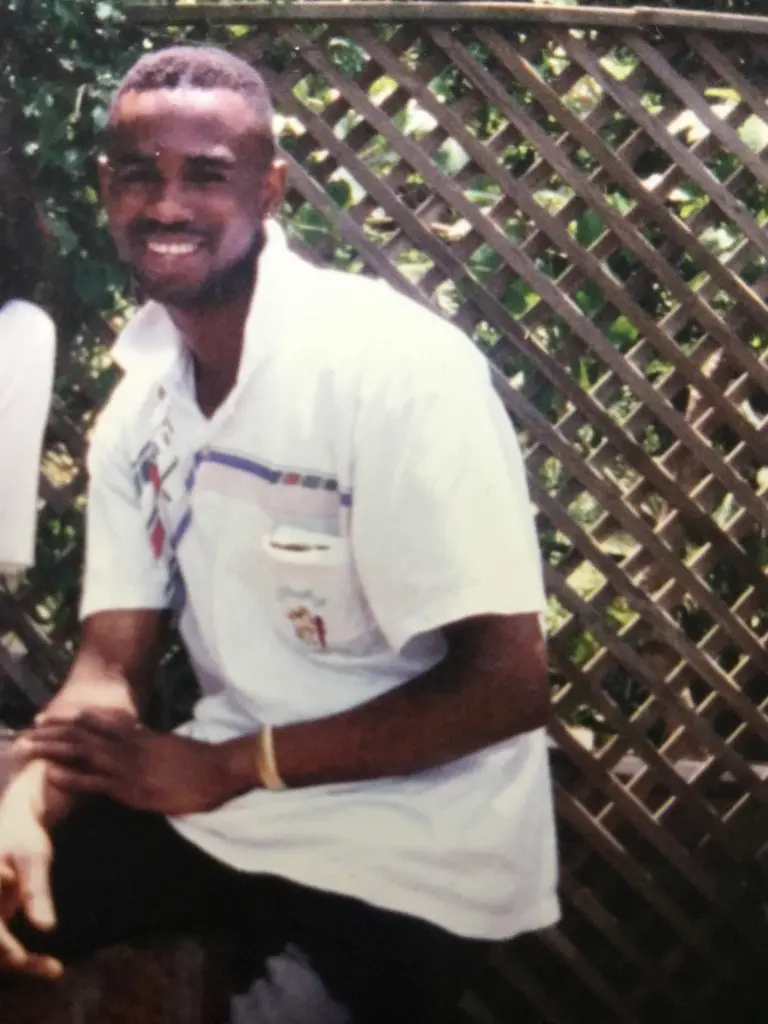
“In the camp, it was survival. There was no law. People were dying all around. The same tribe members we were fleeing from were there, so the same conflict was happening. You couldn’t trust anyone. It was not about mourning any more – just survival.”
Michael lived in the camps for two years before being sent to Australia as a refugee. As he began to rebuild a life for himself, he met a girlfriend who invited him to church. “I got quite involved,” he says. “I even got baptised. But when we broke up, I fell away. My faith wasn’t established.”
It wasn’t long until Michael’s grief caught up with him. “I started drinking. Having grown up Muslim, it felt like freedom. I would get very drunk. And all I would do was just cry.”
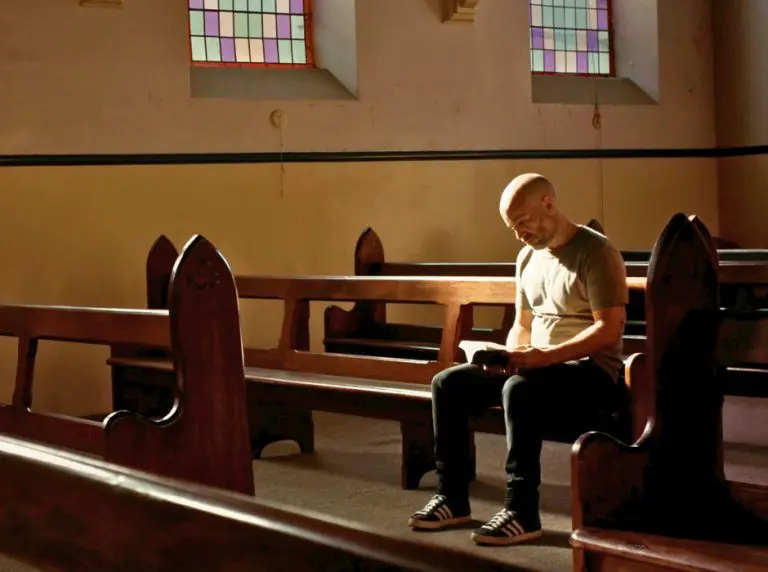
One morning he woke up wanting to read the Bible. “I had been given one, but I wasn’t reading it. I started reading, and every scripture made me cry. I read Psalms, and the more I read, the more it became my ‘safe place’.”
“I saw myself in God’s palm, His hand closing over me. I knew that as long as I stayed there, I would be safe.”
The experience drew Michael back to church, where he asked to be baptised again. “It wasn’t that I didn’t understand it the first time, I did. But having gone back to the world, I wanted to do it again.”
He married and had his first child, working as a taxi driver before starting a career in mining. But a workplace accident redirected his path. “Leading up to the mines, I had received so many prophecies about ministry. My wife said I was like Jonah, running away from what God was wanting me to do. After the accident, I knew I had to do something about it. As I got better, I enrolled in Bible college.”
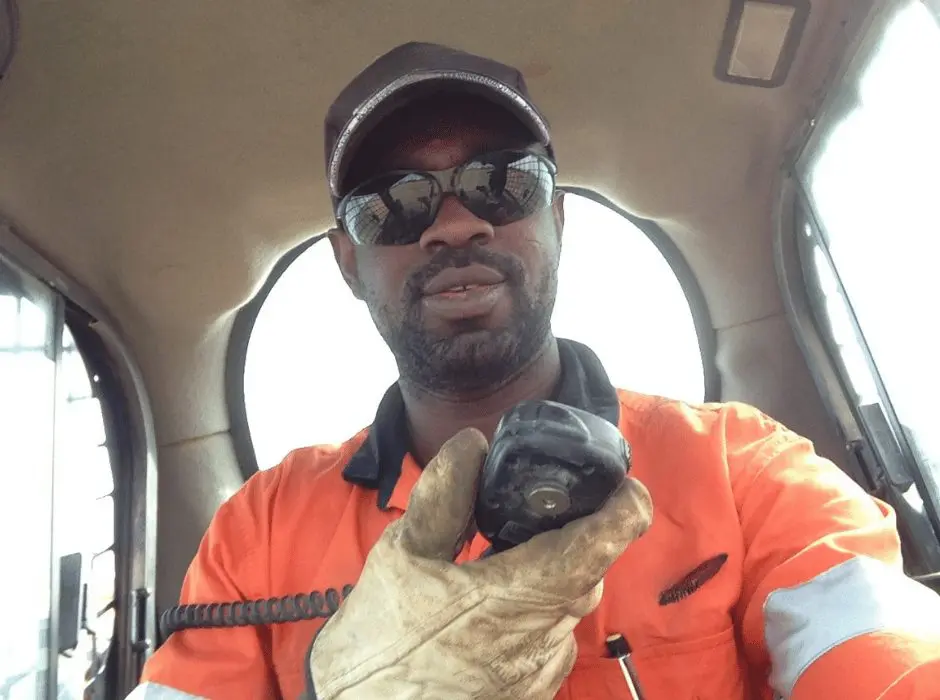
Graduating with two diplomas, Michael led a church for three years before handing it over. Around that same time, his former pastor invited him for coffee. “He was heading to Thailand to oversee a church there. He had also been working with Prison Fellowship and, as we had coffee, he shared about it. Before he had even finished talking, I felt goosebumps, because this had been on my heart for so long. I just didn’t know how to make it happen. When he started talking, my heart just seized it, saying: ‘This is what you should be doing.’”
“Through my accident, God made a way for me to volunteer inside prison. What He has done, I hold very dearly, because I enjoy it so much. To me, this is a privilege. I wouldn’t change it for anything.”
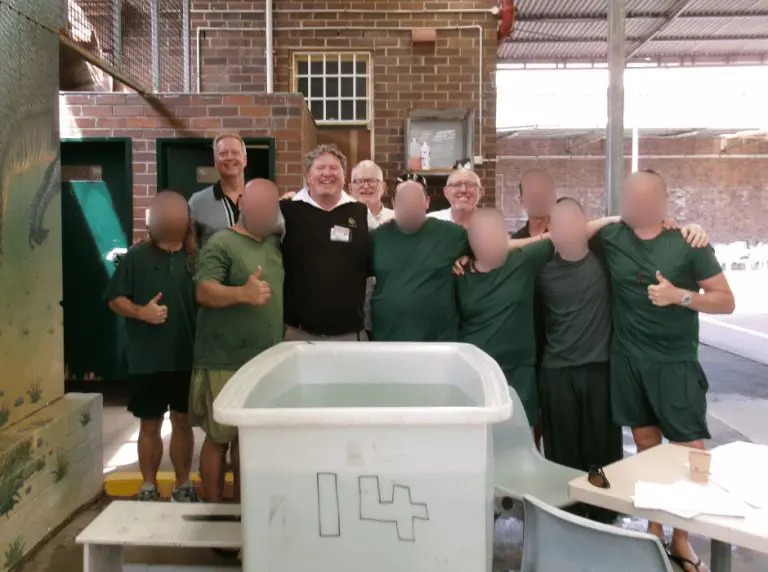
Michael visits two prisons, one mainstream and one special protection prison. “Before I go in, I sit in my car and pray. I fight who I call the ‘prince’ of the place, the enemy. I fight on behalf of the prisoners. I can’t just go in there looking through human eyes, or else I’ll just be like everybody else. I know that in order for me to do my work, I need to win that fight.”
Running regular chapel services, Michael also meets with the men one-on-one for conversation, prayer or Bible studies. He also brings in Bibles and other resources from Christian Literature Outreach to give to the men.
Many prisoners share their stories. “A lot of them feel very isolated. Most don’t have visits from family, so they take us as their families. They don’t feel like they can trust people inside, but they trust us. One time, after an inmate shared his story, I asked what made him feel so comfortable to do so. He said ‘You’re a chaplain. You fear God. You’re here to help us understand why we’re here and what we can do to get forgiveness.’ ‘You trust us?’ I asked. ‘Yes,’ he said. ‘Everybody here trusts you so much.’”
“When I was doing my prison ministry training, I spent a day with an older lady who was a chaplain. I asked her, ‘Aren’t you afraid, being inside a men’s prison?’ She said, ‘Michael, this is safer than my own house.’ She explained how one time a fight broke out and prisoners came all around her, shielding her and protecting her.”
As well as their stories, the men also often share their remorse. “Every time I went into this one unit, I would see this guy walking back and forth with his head down. One day, I invited him to sit with me. We started talking about how a few inmates were applying for parole. He had been there so long, so I was curious if he was also applying. He said, ‘About six months ago, I was due for parole, but I never applied for it.’ I asked why. He told me it was disrespectful to his victims. ‘I hurt people,’ he said. ‘There’s no way I can tell them how much I regret what I’ve done. Applying for parole – getting released before ‘my time’ – is disrespectful. Completing my time is the best I can do.’”
“When we make mistakes,” says Michael, “We need forgiveness to move on. It’s important. If there’s any way you can talk to the person you hurt and ask for forgiveness, you do. But in prison, you don’t have that access.”
“But as chaplains, we’re able to introduce people to Jesus Christ, because He is forgiveness.”
It is the introduction to Jesus that changed everything for ‘the man in green’. Michael shares: “This man, his crime was so bad that he is in for life. But he found Christ in prison. He didn’t know God at all before.” Today, he is one of two leaders who teach scripture to inmates in a Bible study. “They set up the groups themselves,” says Michael. “When we meet, we’ll talk about the topic or book they’re studying so they can go back and share. You don’t need to add much most of the time – they’re very intelligent. They know a lot, and they spend a lot of time studying. We’ll talk about what they’ve read and what their understanding is.”
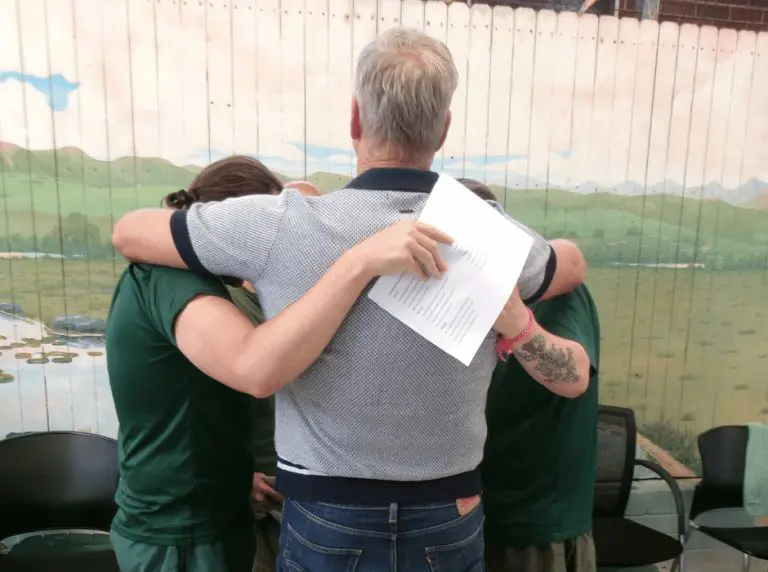
They’ll also share about their challenges. “This man, God has given him the gift of prophecy. He prophesies inside the prison. One time he came asking for prayer, clearly troubled. He was having trouble hearing God’s voice. So we held hands and prayed. As we did, I could feel his hand shaking, and I could hear him sniffling. In that moment, I felt the power of God coming down on us in that room. When I experience things like that, these tough men sitting in front of me, crying in the presence of God, it makes me know that indeed, God is mighty.”

IS PRISON MINISTRY ON YOUR HEART? If you would like to find out more about volunteering with Prison Fellowship Australia, register your interest here.